


No products in the cart.
What is Reiki?
Reiki is a holistic healing practice that originated in Japan in the early 20th century, founded by Mikao Usui. The term “Reiki” is derived from two Japanese words: “Rei,” meaning universal or spiritual, and “Ki,” which refers to life force energy. This concept of life force energy is foundational to Reiki, as it promotes the belief that every living being has an innate energy that can influence both physical and emotional health.
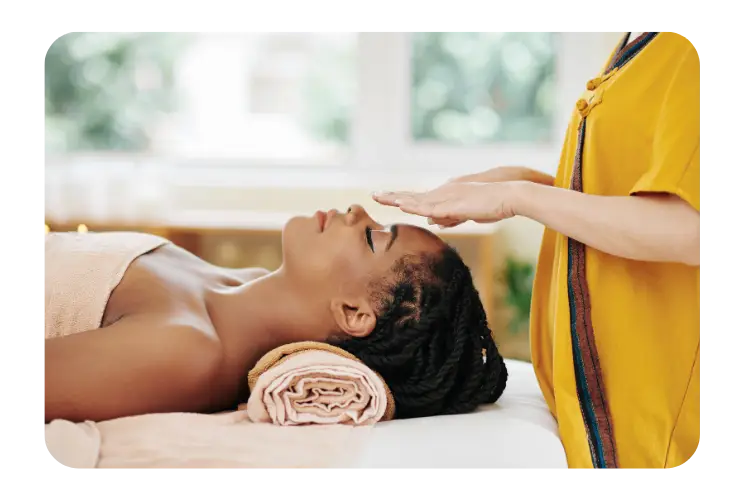
The practice of Reiki involves a practitioner, who channels this energy through their hands to promote healing and balance in a recipient. It is based on the idea that when one’s energy is flowing freely, they experience a sense of calm and well-being. Conversely, disruptions or blockages in this energy can lead to discomfort, stress, or illness. The primary goal of Reiki is to enhance the natural healing processes of the body by fostering a deep state of relaxation and emotional release.
What sets Reiki apart from other healing modalities is its focus not just on physical symptoms but also on the mental, emotional, and spiritual aspects of a person. Unlike traditional medical practices, which often address only specific ailments, Reiki seeks to nurture the overall balance of mind, body, and spirit. This unique approach allows individuals to cultivate a profound sense of solace, aiding them in coping with stress, anxiety, and life’s numerous challenges.
Moreover, the practice of Reiki is gentle and non-invasive, making it accessible for individuals of all ages and backgrounds. Whether experiencing physical discomfort or emotional turmoil, many find that Reiki can provide a soothing counterbalance, facilitating a pathway to healing and tranquillity.
The History of Reiki
Reiki, a holistic system of healing, originates from Japan and was developed in the early 20th century by Mikao Usui, a Japanese Buddhist monk. Usui, after years of research and spiritual practice, discovered the principles of Reiki during a 21-day meditation retreat on Mount Kurama in 1922. He achieved a form of enlightenment that enabled him to channel universal life force energy, which he termed “Reiki”. The first symbols of Reiki were developed during this time, serving as tools for practitioners to harness and direct healing energy.
After establishing the foundational practices, Usui opened the first Reiki clinic in Tokyo where he shared his knowledge and techniques. This marked a significant milestone in Reiki’s history, as the clinic provided a structured environment for people to experience the calm and balance that Reiki promotes. His teachings, including the Five Reiki Principles that emphasize gratitude and compassion, gained popularity, leading to the establishment of the first Reiki training courses.
Following Usui’s passing in 1926, his student, Chujiro Hayashi, further developed Reiki practices, establishing a hospital and school where he taught many practitioners. Hayashi’s influence extended Reiki beyond Japan, as he trained one of the most notable figures in Western Reiki, Hawayo Takata. Takata played a crucial role in introducing Reiki to the United States in the late 1930s. Under her guidance, Reiki spread quickly across North America and adapted to various cultural contexts.
Throughout the decades, Reiki has evolved, integrating with numerous alternative healing modalities. Today, it consists of several varying styles and approaches, all unified by the fundamental principle of channeling life energy for emotional and physical healing. The practice continues to offer solace and balance to those who seek it, and its rich history contributes significantly to its global acceptance and implementation in healing practices.
Understanding the Energy Systems: Chakras and Meridians
The practice of Reiki is deeply rooted in the understanding of energy systems within the human body, notably through the concepts of chakras and meridians. These energy points and pathways are believed to play a significant role in an individual’s physical, emotional, and spiritual health. Chakras are energy centers that correspond to various aspects of our being and are generally identified as seven main points located along the spine. Each chakra is associated with different bodily functions, emotions, and spiritual experiences, serving as a hub for receiving and transmitting energy.
Meridians, on the other hand, are pathways that facilitate the flow of life energy, or “qi,” throughout the body. This system is prevalent in many Eastern healing practices, including acupuncture and Traditional Chinese Medicine, and it complements the chakra system by providing a framework for understanding how energy moves within us. Disruptions in the flow of energy through these channels can lead to imbalances, which may manifest as physical ailments or emotional distress.
In Reiki, practitioners focus on tuning into these energy systems to facilitate healing and promote balance. By understanding how chakras and meridians operate, practitioners can identify blockages or stagnations within these energy points. The Solace Method, which is rooted in Reiki principles, encourages individuals to achieve a state of calm and balance, allowing for the natural flow of energy to resume. This holistic approach aims to harmonize the individual’s entire being, ensuring that all aspects – physical, emotional, and spiritual – are addressed during a Reiki session.
The Solace Method: A Comprehensive Approach to Reiki
The Solace Method represents a refined and integrative approach within the broader practice of Reiki, aimed at fostering a deep sense of calm and emotional balance for the practitioner and the recipient alike. Grounded in the traditional principles of Reiki, the Solace Method combines various techniques and modalities to enhance the healing experience. This comprehensive method transcends standard Reiki practices by incorporating elements such as guided imagery, sound therapy, and mindfulness to create a multidimensional healing environment.
At its core, the Solace Method seeks to promote not only physical well-being but also emotional and spiritual harmony. Practitioners of this method are trained to channel universal life energy through their hands, activating the body’s innate healing mechanisms and inducing a profound state of relaxation. Through this process, individuals can find solace from stressors, allowing them to confront life’s challenges with renewed energy and clarity.
Moreover, the integration of individualized approaches within the Solace Method ensures that sessions are tailored to meet the specific needs of each participant, thereby optimizing the healing experience. For instance, clients are encouraged to express their unique concerns and goals, allowing practitioners to adjust their techniques accordingly. This personalized focus not only enhances the effectiveness of the healing process but also fosters a deeper connection between the practitioner and the individual seeking balance in their life.
Ultimately, the Solace Method exemplifies the versatility and depth of Reiki as a healing art form. By merging various healing techniques and emphasizing a holistic approach, the Solace Method facilitates an environment conducive to true emotional catharsis and physical rejuvenation.
Techniques and Practices in the Solace Method
The Solace Method encompasses a variety of techniques designed to promote healing and well-being through the principles of Reiki. These techniques aim to restore balance and calm within the body, facilitating a pathway to holistic health. Among the most prominent practices are hands-on healing, distance healing, and guided meditation, each serving a unique purpose and aiding individuals in different ways.
Hands-on healing is perhaps the most recognized aspect of the Solace Method. This technique involves the practitioner placing their hands gently on or just above the recipient’s body, directing healing energy where it is needed most. The intention behind this method is to help dissolve energy blockages, enhance the body’s natural healing processes, and promote an overall sense of peace. Many people experience profound relaxation during sessions, often reporting decreased levels of stress and enhanced emotional stability.
Distance healing is another integral aspect of the Solace Method. Unlike hands-on healing, this practice allows the practitioner to send Reiki energy across distances, transcending physical boundaries. This technique is based on the understanding that energy is not confined by time or space. Practitioners utilize their intention and focus, allowing recipients to benefit from healing energies regardless of their location. Many individuals find distance healing to be a powerful tool for receiving comfort and balance, even remotely.
Lastly, guided meditation within the Solace Method helps individuals cultivate a deeper connection to both themselves and the surrounding energy. This practice often combines visualization techniques with deep breathing exercises, leading participants towards states of calm and introspection. Guided meditation enhances self-awareness and personal growth, empowering individuals to better navigate their emotional and physical health journeys.
The Benefits of Reiki and the Solace Method
Reiki, a form of energy healing, seeks to promote calmness and balance within the mind, body, and spirit. Practiced worldwide, this method has gained recognition for its numerous benefits. One of the most reported advantages of Reiki is its effectiveness in stress relief. Many individuals who undergo Reiki sessions have found significant reduction in anxiety levels, attributed to the gentle energy transfer that promotes relaxation and a sense of peace.
Moreover, the Solace Method, an advanced approach combining traditional Reiki principles with contemporary healing techniques, enhances emotional balance. Practitioners of the Solace Method report notable improvements in their emotional well-being, including reduced feelings of anger, fear, and sadness. Testimonials from clients indicate that regular sessions can lead to heightened self-awareness and greater emotional resilience, ultimately fostering a more harmonious life.
Furthermore, Reiki and the Solace Method are also associated with enhanced spiritual growth. As individuals engage with these practices, they often experience profound insights and a deepening connection to their inner selves. This journey of self-discovery facilitates personal transformation, empowering individuals to align with their true purpose and foster a greater sense of fulfillment.
Overall wellness is another significant benefit of Reiki and the Solace Method. Various studies have suggested that these practices may improve physical health by addressing chronic pain and illnesses through the facilitation of energy flow. With increasing interest in holistic wellness, many people are incorporating Reiki and related methods into their self-care regimens. By establishing a sense of calm, balance, and connection, these practices support a more comprehensive approach to health.
Getting Started with Reiki and the Solace Method
Embarking on the journey of Reiki and the Solace Method can be a transformative experience for individuals seeking healing, calm, and balance in their lives. For those new to this holistic practice, the first step is finding a qualified practitioner. Conducting a thorough search is essential; consider browsing online directories, checking local wellness centers, or seeking recommendations from friends or family. Make sure to evaluate practitioners based on credentials, experience, and client reviews to ensure that they are well-versed in Reiki techniques and the Solace Method.
Once you have selected a practitioner, it is important to understand what to expect during a session. A typical Reiki session usually begins with a discussion about your intentions and any specific areas of focus for healing. The practitioner will often guide you to a comfortable position, allowing you to relax. As they work through your energy fields, you may experience sensations such as warmth, tingling, or an overall sense of calmness. Each session is unique, and the response to this energy work can vary from person to person, often leaving individuals feeling more balanced and grounded.
Incorporating Reiki into your daily life can further enhance your overall sense of well-being. Engaging in practices like meditation, mindfulness, and gentle stretching can help align your energy and maintain the balance achieved during your sessions. Additionally, setting aside time for self-Reiki can empower individuals to harness their own healing potential. Remember that the journey into Reiki and the Solace Method is uniquely personal and self-paced; it is vital to approach it with an open mind, allowing for growth and exploration as you discover how these practices can enrich and calm your life.
Common Misconceptions About Reiki
Reiki has been a subject of both interest and skepticism since its inception. One of the prevalent misconceptions is that Reiki is merely a placebo effect, discounted as something that lacks scientific grounding. However, while conclusive scientific proof remains limited, numerous anecdotal reports affirm its efficacy in promoting relaxation, reducing stress, and achieving a sense of calm. This suggests that Reiki may serve as a complementary alternative to conventional healing practices, rather than a standalone solution.
Another common myth is that Reiki practitioners possess supernatural abilities. Many people envision a practitioner as having mystical powers or serving as a divine channel for healing energy. In reality, practitioners are trained to facilitate the flow of energy utilizing specific techniques, with a focus on creating balance within the recipient. Practitioners do not exert control over the energy but rather serve as vessels that help guide it, assisting individuals in their own healing journeys.
Additionally, there is often confusion surrounding the spiritual implications of Reiki. Some perceive it as an inherently religious practice, while others dismiss it entirely due to its spiritual associations. Reiki does incorporate elements of spirituality, but it is non-denominational, thus accessible to people of all beliefs, including those who are agnostic or skeptical. Individuals receive benefits without any obligation to subscribe to spiritual doctrines, making it a versatile healing method. The essence of the Solace Method is to cultivate inner peace and tranquility, leading individuals to find personal solace irrespective of their religious background.
Overall, addressing these misconceptions can help create a more informed perspective on Reiki, empowering individuals to explore its potential positively and open-mindedly.
Conclusion: Embracing Reiki and the Solace Method for Holistic Healing
As we have explored throughout this blog post, Reiki and the Solace Method offer profound avenues for achieving calm and balance in both the body and mind. Rooted in ancient traditions, these practices emphasize the importance of energy healing to promote overall well-being. Reiki’s ability to channel universal life force energy can facilitate healing on multiple levels, allowing individuals to confront and alleviate stress, anxiety, and physical ailments through gentle touch or even from a distance.
The Solace Method complements this approach by providing structured techniques that help individuals access their inner peace and resilience. By understanding and integrating the principles of these methods, practitioners can navigate their life experiences with increased clarity and emotional stability. This alignment not only enhances personal growth but also fosters connections within oneself and with the surrounding environment, further empowering individuals in their healing journeys.
Given the myriad benefits that Reiki and the Solace Method confer, it is worthwhile for individuals to explore these practices as instruments for personal transformation. Whether one seeks to alleviate distressing symptoms, enhance mental clarity, or simply find a sanctuary of calm in a busy world, embracing these methodologies may provide significant support. Ultimately, the key lies in recognizing the potential of energy healing to create lasting change and harmony in one’s life.

Emma Prendergast
Tags:
Posts

Evening Yoga Rituals to Improve Sleep Quality Naturally
July 20, 2026
Escape the routine and recharge with guided yoga, meditation, and wellness activities in a peaceful retreat setting.

An Introduction to Reiki and the Solace Method: Understanding Its Origins and Practices
July 9, 2026
Reiki is a holistic healing practice that originated in Japan in the early 20th century, founded by Mikao Usui.
Yoga for Back Pain: Safe Poses for Everyday Relief
June 18, 2026
Escape the routine and recharge with guided yoga, meditation, and wellness activities in a peaceful retreat setting.

The Mindful Path: How Yoga Cultivates Inner Peace
June 18, 2026
Escape the routine and recharge with guided yoga, meditation, and wellness activities in a peaceful retreat setting.
Related Articles
You might be interested in


Are you in our Skool community? Download the app.


© 2026 Healer Wealth Academy. All Rights Reserved.